For new pet parents in North America and Europe, the local fenced dog park is often viewed as the ultimate social hub. It is a place where high-energy pups can burn off steam, socialize with other dogs, and enjoy the afternoon sun. However, stepping into a communal dog park for the first time can be overwhelming if you are unfamiliar with the unwritten codes of conduct.
Mastering proper dog park etiquette rules ensures that your dog—and every other visitor—has a safe, stress-free, and enjoyable experience. From managing polite greetings to handling high-value treats, understanding these social guidelines will make you a confident and welcome member of the local dog community.
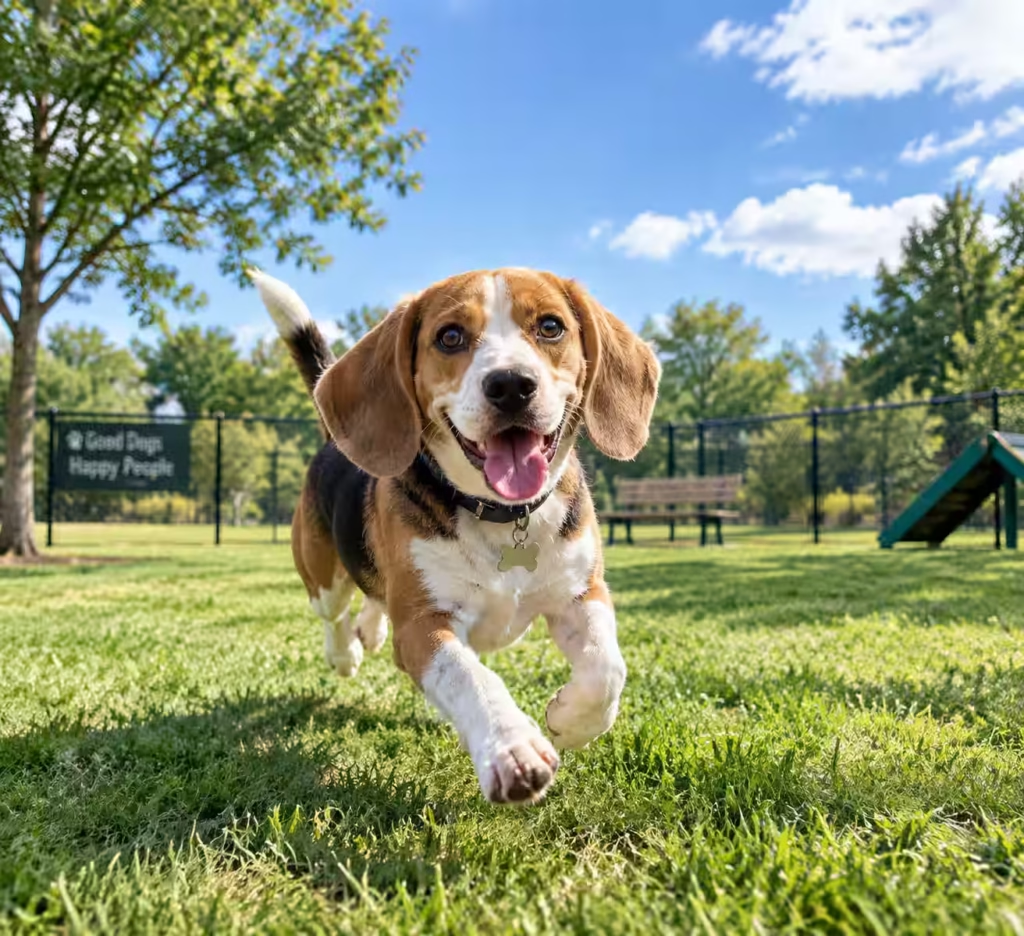
1. Mastering the Gate and Greeting Etiquette
The entrance area is one of the most high-stress zones in any dog park.
- The Double-Gate Protocol: Always secure the outer gate before opening the inner gate to prevent any runaway dogs from bolting out.
- Handling Initial Sniffs: When entering, keep your dog’s leash loose. Tense leashes transmit anxiety to your dog, making neutral sniffing feel like a threat. Allow brief, polite nose-to-tail greetings without letting leashes get tangled.
- Respect Personal Space: If another dog is showing stiff body posture, lip-licking, or growling during a greeting, gently call your dog away immediately.
2. The Golden Rules of Toys and Treats
Bringing food or favorite playthings into a shared park can instantly trigger resource guarding and pack conflict.
- Leave Human Food and Training Treats at Home: Unless you are in an isolated training corner, pulling out treats inside a crowded play yard will cause every dog to swarm you.
- Understand the Toy Trap: Throwing a tennis ball or squeaky toy can lead to intense possessive aggression among unfamiliar dogs. If you must bring a toy, ensure it is played with in a quiet, isolated corner away from the main pack.
- Monitor High-Energy Play: Wrestling and chasing are normal, but if play escalates into mounting, relentless pinning, or hard snapping, it is time to intervene and redirect.
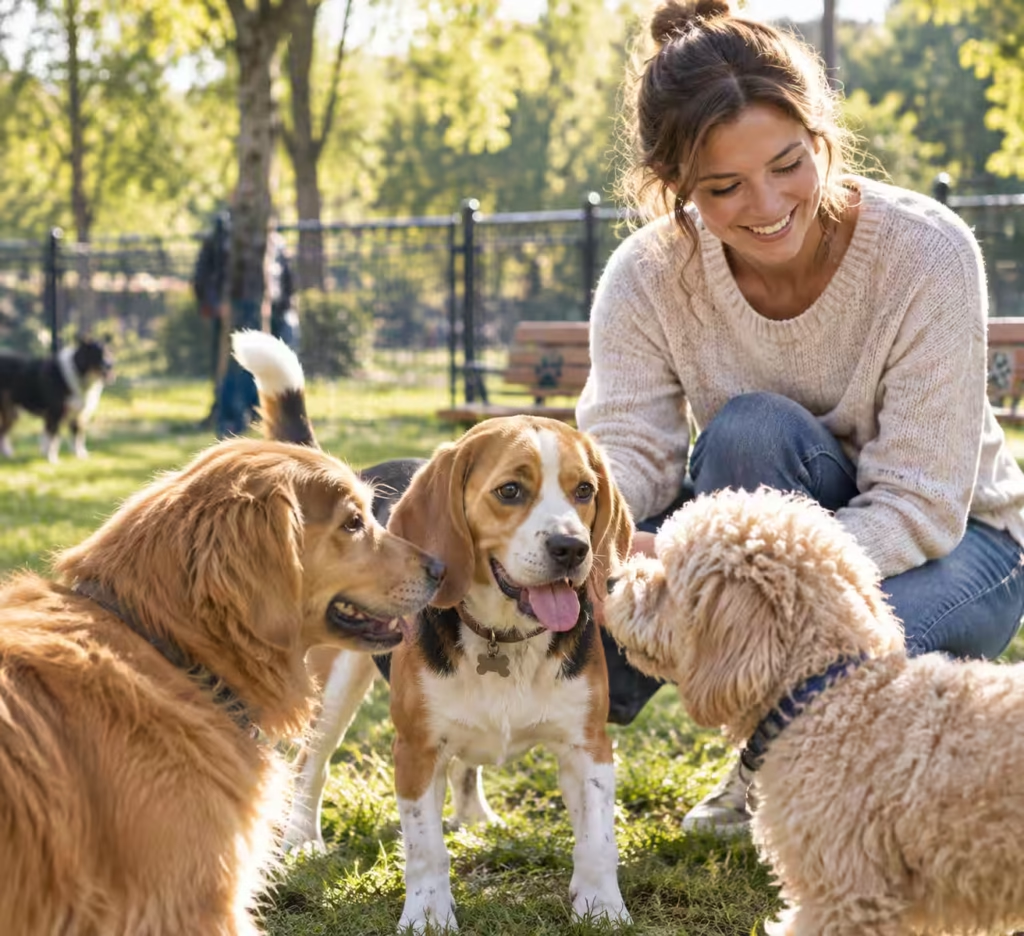
3. Knowing When It Is Time to Leave
Part of being a responsible dog parent is recognizing your dog’s physical and emotional limits.
- Recognize Stress Signals: If your dog tucks their tail, cowers behind your legs, or constantly tries to jump back onto the bench, they are overwhelmed and ready to go home.
- Keep Visits Short and Sweet: For puppies or senior dogs, a 15-to-20-minute socialization session is often more than enough before fatigue sets in. Regarding overall vitality and pacing, maintaining a balanced routine with essential senior dog care tips helps keep older companions feeling confident and secure.
- Know Peak Hours: Avoid peak weekend rush hours if your dog is shy or easily startled, opting instead for quieter weekday mornings. For comprehensive rules and expert advice, you can also review the official American Kennel Club dog park safety guidelines for professional recommendations.

Conclusion
Visiting the dog park should be a rewarding bonding experience for both you and your furry best friend. By respecting foundational dog park etiquette rules, monitoring play dynamics, and knowing when to call it a day, you contribute to a safe and welcoming community space. As you cherish these active outdoor milestones together, keep the memory of your adventures close with a sentimental custom pet portrait necklace that celebrates your unbreakable bond.