For multi-pet households, the bond between animal companions is often deeper and more constant than we realize. When one pet passes away, the surviving cat or dog is left behind to experience a profound and confusing vacuum. Unlike humans, animals cannot process verbal explanations of death; instead, they experience grief through abrupt changes in routine, an empty bed, and a missing scent.
Recognizing how to help surviving pet cope with loss is one of the most tender responsibilities a pet parent can shoulder. By understanding their silent sorrow and offering structured emotional support, you can help your faithful companion navigate this heartbreaking transition.

1. Identifying the Hidden Signs of Pet Grief
Animals grieve in quiet, subtle ways that are easy to misinterpret as simple behavioral changes. Watch out for these common indicators:
- Drastic Appetite Loss: A grieving pet will often turn away from their food bowl, refusing meals or showing total disinterest in treats.
- Clinging Behavior or Sudden Withdrawal: Some surviving pets become frantically attached, following you from room to room, while others retreat entirely, hiding under beds or in quiet corners.
- Restless Pacing and Searching: You may notice your dog or cat wandering through the house, sniffing your other pet’s favorite sleeping spots, and waiting near the door.
2. Comforting Your Companion Through Scent and Routine
Navigating the initial weeks requires a delicate balance of preserving familiar comforts while introducing gentle reassurance.
- Resist Washing Belongings Immediately: As painful as it is, leave your deceased pet’s favorite blanket or bed unwashed for a little while. The lingering scent provides immense neurological comfort to the surviving animal.
- Maintain Predictable Schedules: Keep feeding, walking, and playtime locked into a strict routine. Stability reduces the anxiety of unpredictability.
- Provide Gentle Reassurance: Shower them with extra affection, but avoid reinforcing frantic or anxious behaviors with overly dramatic reactions. To keep their physical health stable during high-stress periods, incorporating guidance from essential senior dog care tips can help maintain their overall vitality.
- Consult Professional Resources: For deeper behavioral insights, you can review expert veterinary pet grief and bereavement guidance to understand animal emotional recovery.

3. Rebuilding Confidence and Looking Ahead
Healing takes time, and forcing a quick replacement companion onto a grieving pet can sometimes backfire.
- Give It Time: Allow your surviving pet several weeks to settle into their new normal before considering bringing a new animal into the home.
- Introduce New Mental Enrichment: Break up the heavy routine with new puzzle toys, gentle outdoor sniffs, or interactive play sessions that stimulate their minds.
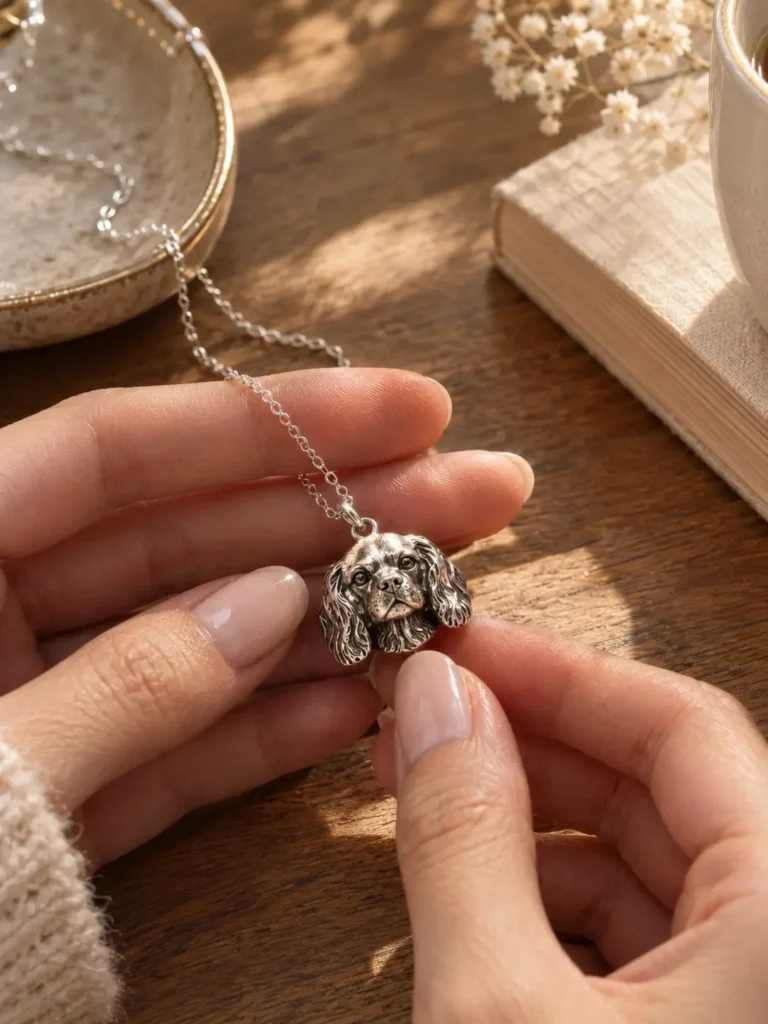
- Honor the Memory Together: Healing is a shared family journey. Many pet parents find great emotional solace in keeping the spirit of their departed pet alive by wearing a delicate custom pet portrait necklace, ensuring both beloved companions remain forever close to your heart.
Conclusion
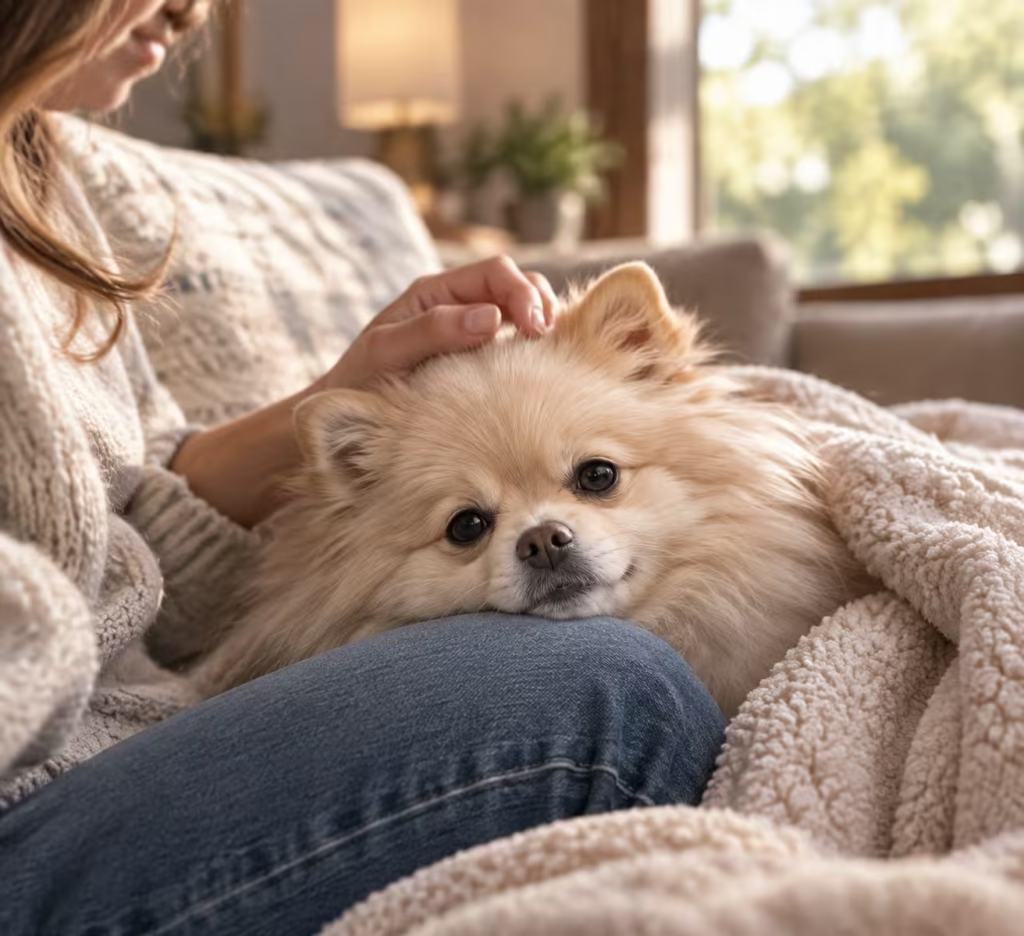
Helping your animal companion through the loss of a best friend is a profound test of patience and empathy. By actively working to help surviving pet cope with loss through scent preservation, predictable routines, and loving presence, you guide them out of the shadow of grief. As you both heal, remember that love never truly leaves—and keeping your cherished memories close with a sentimental custom pet portrait necklace will help you honor every paw that has touched your life.