As winter melts away and the warm spring sun invites us back into our yards, many pet parents eagerly grab their gardening gloves. Cultivating a blooming garden is one of the joys of the season, but for households sharing space with curious paws and wet noses, danger can lurk in the soil.
Understanding which toxic plants for dogs and cats populate our homes and flower beds is essential. While lush greenery and vibrant blossoms make a house feel alive, certain common species pose severe health risks. Knowing the hazards—and having safe, pet-friendly alternatives on hand—ensures your furry family members stay protected all season long.
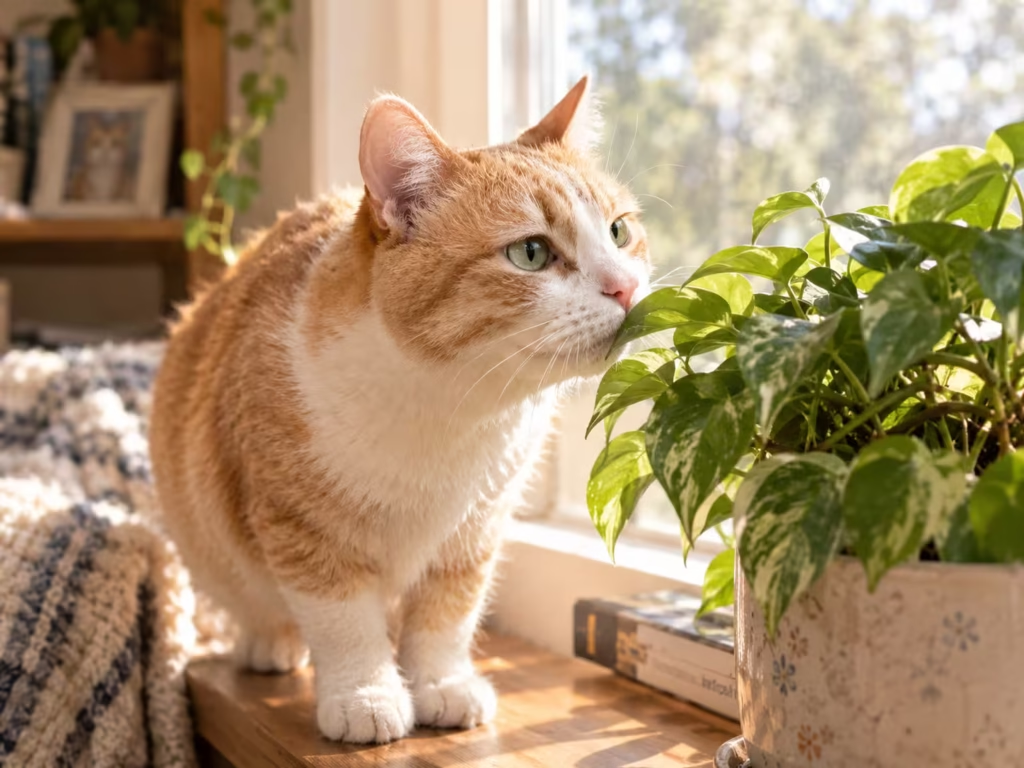
1. The High-Risk Spring Flowers in Western Gardens
Springtime favorites often bring hidden toxicities that many pet owners overlook during planting season.
- True Lilies (The Feline Danger): For cat owners, plants from the Lilium and Hemerocallis genera—including Easter lilies, Stargazer lilies, and tiger lilies—are lethally toxic. Even a tiny nibble on a leaf, pollen dusting on fur, or drinking water from the vase can lead to acute kidney failure in cats.
- Tulips and Hyacinths: Popular in North American and European spring landscaping, these bulbs contain alkaloids that irritate the gastrointestinal tract, causing severe drooling, vomiting, diarrhea, and heart issues if ingested by dogs or cats.
- Oleander and Azaleas: Beautiful ornamental shrubs often found in southern or coastal gardens. Their leaves and flowers contain cardiotoxic compounds that can be fatal to pets if chewed.
2. Common Indoor Houseplants That Spell Trouble
Indoor aesthetics shouldn’t compromise pet safety. Several popular houseplants pose serious health threats:
- Pothos and Philodendrons: Valued for their easy-care trailing vines, these plants contain insoluble calcium oxalate crystals. Chewing them causes intense oral irritation, burning, excessive drooling, and difficulty swallowing.
- Dieffenbachia (Dumb Cane): Similar to pothos, biting into this plant releases toxins that numb the throat and tongue, making it a severe hazard for playful puppies and kittens.
- Sago Palms: Popular in warmer climate containers, every part of this palm—especially the seeds—is extremely poisonous, leading to severe liver failure in dogs. To double-check specific regional species, you can consult the official ASPCA toxic and non-toxic plant database for comprehensive veterinary insights.
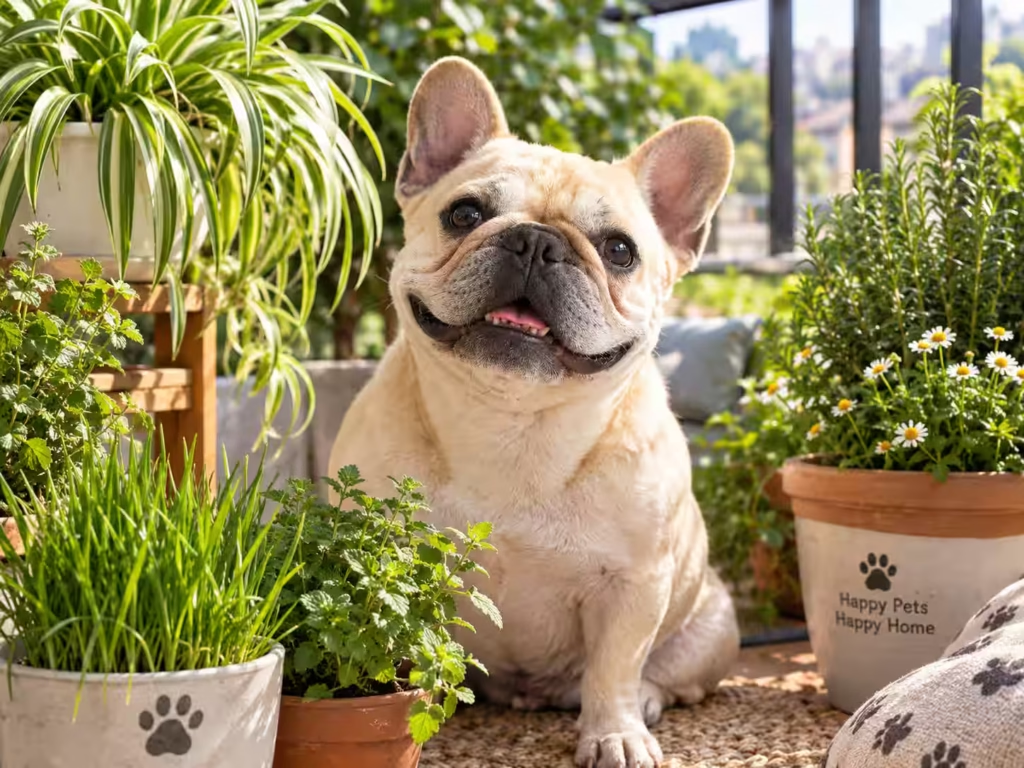
3. Safe, Pet-Friendly Alternatives for Your Home and Yard
You don’t have to give up green aesthetics to keep your pets safe. Vibrant, non-toxic alternatives can completely replace dangerous flora.
- Indoor Greenery Choices: Replace pothos with Spider Plants (Chlorophytum comosum), Boston Ferns, or Parlor Palms, which are entirely harmless to cats and dogs.
- Garden Bed Substitutes: Plant Snapdragons, Marigolds, or Sunflowers in your outdoor beds to maintain a splash of color without the toxic risks.
- Holistic Care and Protection: Ensuring a pet-safe environment goes hand-in-hand with overall wellness. For broader senior pet care guidance, incorporating insights from Essential Senior Dog Care Tips for a Happy Golden Age helps maintain your companion’s robust vitality.

Conclusion
Creating a beautiful sanctuary for both your family and your four-legged companions requires mindful choices. By identifying and removing toxic plants for dogs and cats from your living spaces, you ensure a safe environment where your pets can roam freely. As you nurture your home and garden, remember that honoring your bond means keeping them safe—and keeping your cherished memories close with a sentimental custom pet portrait necklace as you celebrate every milestone together.