For many devoted pet parents across North America and Europe, we often assume that our dogs are simply slowing down due to natural aging. When a loyal companion starts taking a little longer to get up from their afternoon nap or hesitates before jumping into the car, we chalk it up to a typical “senior moment.” However, these subtle shifts can actually be the quiet beginnings of joint degeneration.
Recognizing the early signs of arthritis in dogs is crucial because canine joint pain develops gradually, long before overt limping begins. By catching these subtle warning signs early and consulting your veterinarian, you can introduce proactive joint support and dramatically improve your dog’s daily comfort and mobility.

1. The Subtle Clues: Morning Stiffness and Hesitation on Stairs
Dogs are masters at masking physical discomfort, meaning they rarely whine or cry out in the early stages of joint inflammation. Instead, their behavior changes in quiet ways:
- The Morning “Stiff Start”: Watch your dog when they first wake up. If they take a few stiff, halting steps or appear uncoordinated before loosening up, it is a classic indicator of early joint stiffness.
- Hesitation at Vertical Obstacles: Does your dog suddenly pause at the bottom of the staircase, look up anxiously, or refuse to jump into the back of the SUV? Reluctance to climb stairs or scale heights is a major red flag.
- Decreased Enthusiasm for Fetch: If your dog runs after the ball twice and then stops, it is not disobedience—it is their joints telling them the impact is becoming too painful.
2. Behavioral Shifts: Excessive Licking and Muscle Atrophy
Joint pain triggers distinct psychological and physical adjustments that observant owners can spot at home:
- Targeted Joint Licking: If you notice your dog persistently licking or chewing at a specific wrist, ankle, or hip joint, they are trying to soothe a deep, dull ache beneath the skin.
- Subtle Muscle Wasting: Dogs with sore joints will instinctively shift their weight away from the painful limb. Over weeks, this leads to noticeable muscle asymmetry or thinning in the affected leg.
- Behavioral Withdrawal: A normally playful dog may become irritable when touched near the hips or spine. For comprehensive veterinary screening standards, you can review the official American Animal Hospital Association canine osteoarthritis guidelines for professional clinical insights.
3. Proactive Interventions and Everyday Comfort
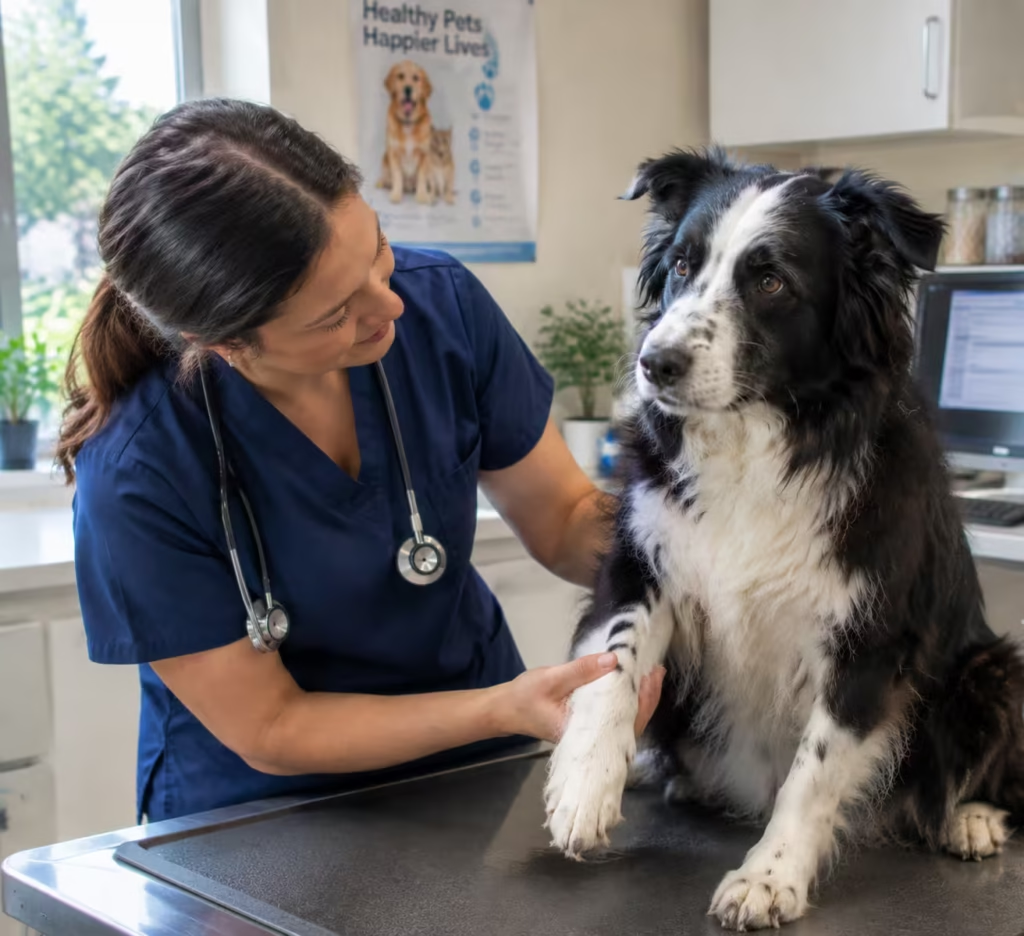
Identifying joint discomfort early opens the window for highly effective lifestyle adjustments and preventative care.
- Weight Management is Key: Extra pounds place exponential pressure on fragile joints. Adjusting daily caloric intake with your vet helps protect their cartilage.
- Home Modifications: Add non-slip rugs over hardwood floors and introduce pet ramps to help them access couches or beds safely.
- Holistic Daily Care: Managing joint health goes hand-in-hand with overall longevity. Incorporating structured wellness routines aligned with essential senior dog care tips can significantly enhance your companion’s daily mobility and joy.

Conclusion
Spotting joint discomfort before it turns into chronic pain is one of the greatest gifts you can give your faithful companion. By staying vigilant for the early signs of arthritis in dogs—such as morning stiffness, stair hesitation, and targeted joint licking—you can step in early with the right care and environment. As you support their comfort and mobility through every golden year, keep the memory of your shared journey close to your heart with a sentimental custom pet portrait necklace that celebrates your unbreakable bond.