For cat parents across North America and Europe, there is little that matches the frustration of being jolted awake at 3:00 AM by relentless, echoing yowls from the hallway. While felines are beloved for their independent and quiet grace during daylight hours, nighttime vocalization can turn a peaceful household into an exhausted one.
Understanding why is my cat meowing at night is the first step toward restoring peaceful slumber for both you and your furry companion. By decoding these midnight calls—ranging from pent-up boredom to underlying medical changes—you can guide your cat back into a healthy circadian rhythm.
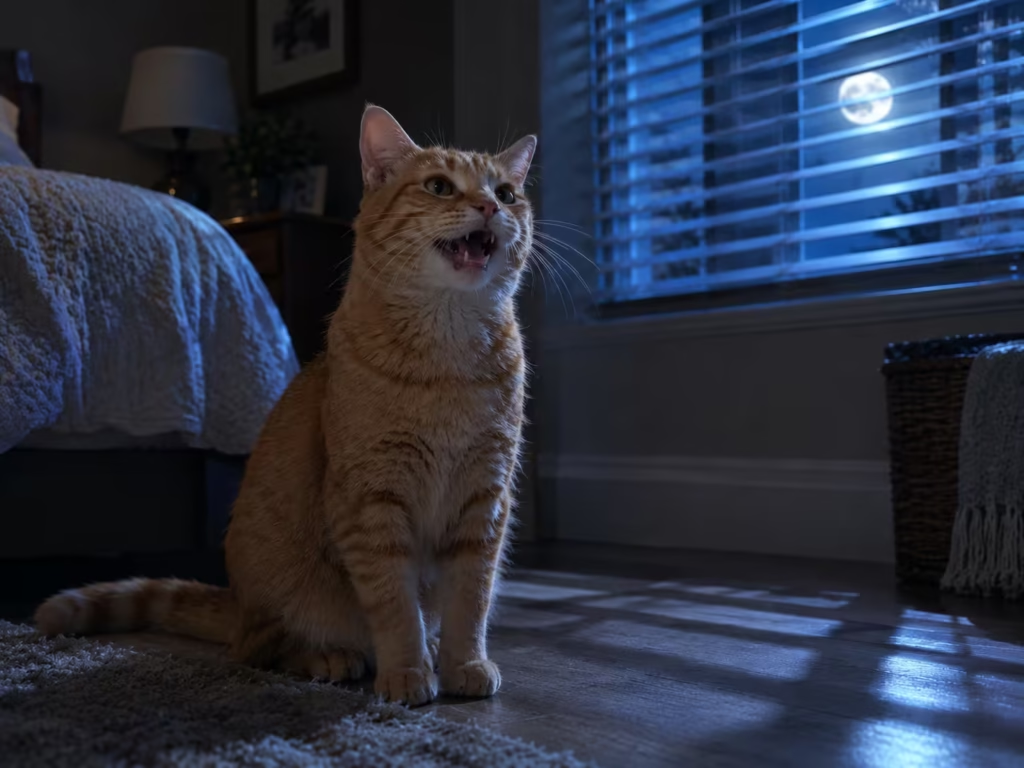
1. Behavioral Triggers: Boredom and Seeking Attention
Cats are crepuscular creatures by nature, meaning their biological clocks are naturally wired to be most active at dawn and dusk.
- The Midnight Energy Surge: If your indoor cat spends the day sleeping while you are at work, they wake up with a surplus of pent-up energy. They may yowl simply because they want to play or hunt.
- Accidental Reinforcement: If you jump out of bed to feed them or scold them every time they yowl, your cat learns that nighttime meowing is a foolproof way to summon human servants. Breaking this cycle requires ignoring the noise and refusing to reward midnight demands.
2. Medical Causes: Cognitive Decline and Vision Loss
When nocturnal vocalization starts suddenly in an older cat, it often points to a deeper physiological shift.
- Senior Disorientation: Older felines can suffer from feline cognitive dysfunction (dementia), causing them to become confused and disoriented in the dark house. If your cat is reaching their senior years and you are already navigating senior cat daily wellness routines, extra patience and night lights are essential.
- Sensory Changes: Failing eyesight or hearing loss can make cats feel insecure when lights go out. For professional veterinary insights on geriatric health and behavioral shifts, you can review the official American Association of Feline Practitioners senior health guidelines for expert medical advice.
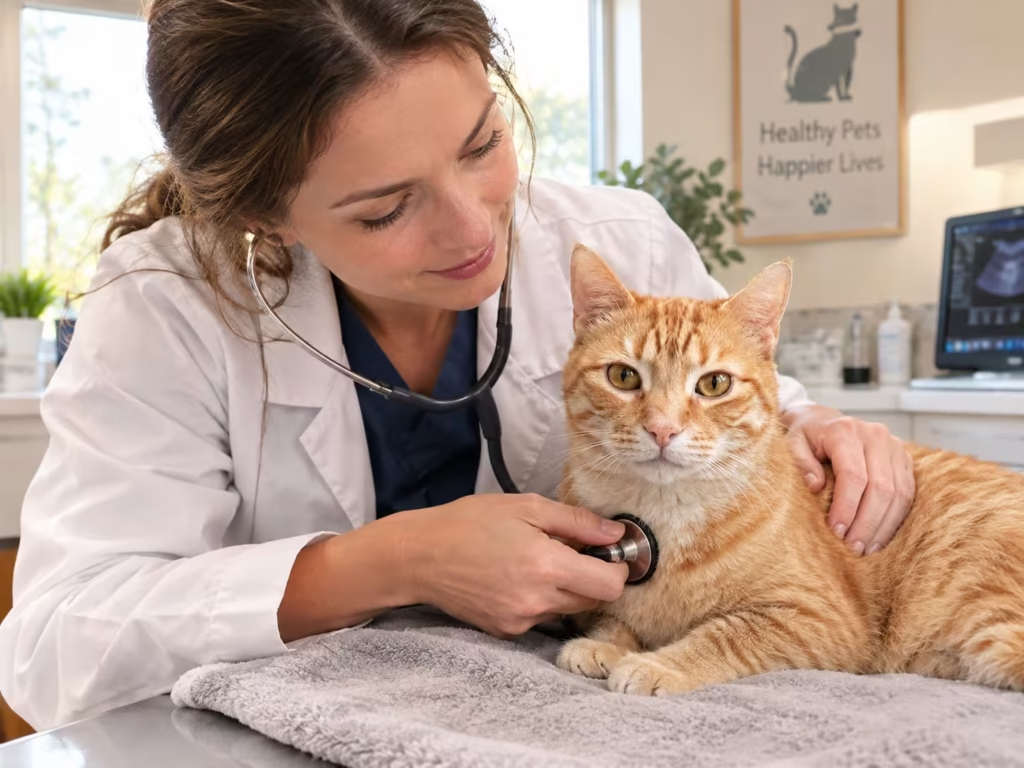
3. Creating a Calm Routine to Stop Midnight Yowling
Resetting your cat’s sleep schedule requires consistent daytime engagement and environmental enrichment.
- The Evening Play-and-Feed Ritual: Engage your cat in a vigorous 15-minute interactive play session with a feather wand right before your bedtime, followed immediately by their final heavy meal of the day. This mimics the natural “hunt-catch-eat-sleep” cycle.
- Provide Late-Night Enrichment: Set up an automated puzzle feeder or scatter a few dry treats to keep their minds occupied during the small hours of the morning.
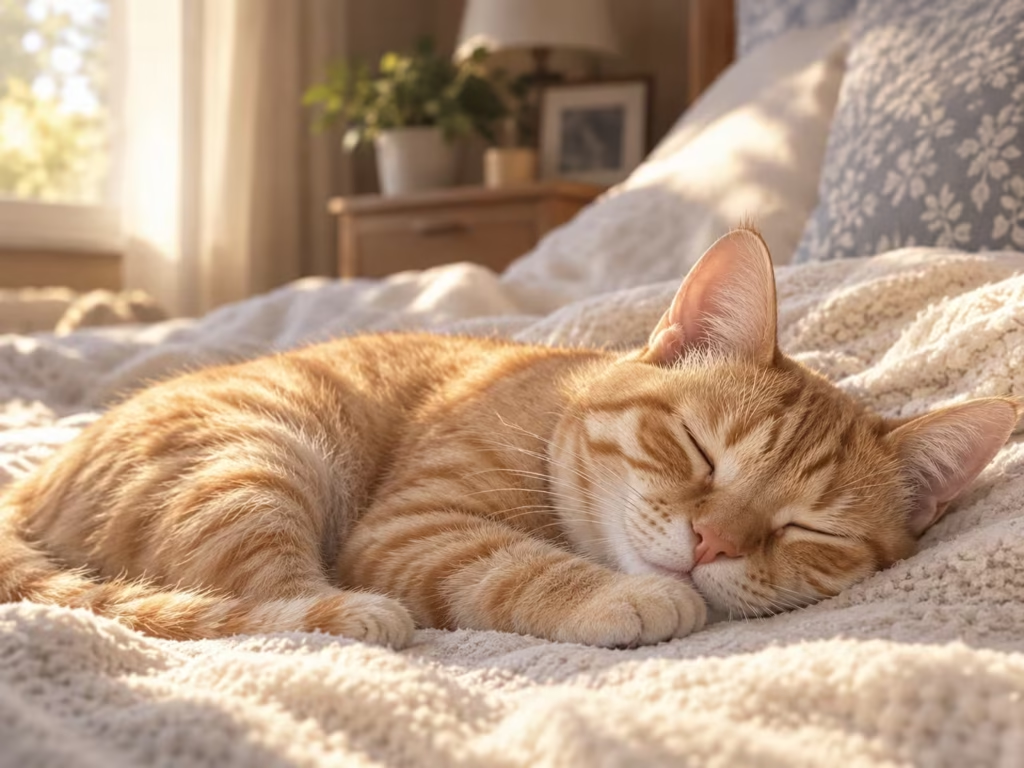
Conclusion
Dealing with midnight serenades tests the patience of even the most devoted pet parents. By identifying the root causes—whether it is midnight boredom, attention-seeking, or age-related disorientation—you can effectively answer why is my cat meowing at night and take proactive steps to solve it. As you nurture a peaceful nighttime routine for your feline friend, keep the memory of your loving bond close to your heart with a cherished custom sterling silver pet pendant that celebrates your lifelong companionship.