Welcoming a new puppy into your North American or European home brings endless joy, but it often comes with a painful surprise: razor-sharp puppy teeth sinking into your fingers, ankles, and favorite living room furniture. During the teething phase, puppies explore the world through their mouths, making excessive nipping a universal challenge for every new pet parent.
Learning how to stop puppy biting and chewing requires a blend of consistency, positive reinforcement, and redirection. By understanding why puppies nip and applying gentle yet firm boundary training, you can protect your belongings and teach your young companion polite manners.

1. The Root Cause and the “Red-Card” Interruption Technique
Puppies do not bite out of aggression; they nip because their gums ache from incoming adult teeth and they lack impulse control.
- The High-Pitched Yelp: When your puppy bites your skin during play, mimic their littermates by emitting a sharp, high-pitched “Ouch!” and immediately freezing. This startles them and mimics how mother dogs teach bite inhibition.
- The Time-Out Rule: If the yelp excites them further, implement a brief “red-card” time-out. Stand up, cross your arms, turn away, and ignore them for 30 to 60 seconds. This teaches them that biting makes playtime instantly vanish.
- Redirect Immediately: Never leave your hands exposed as toys. Always keep a safe chew toy nearby to thrust into their mouth the second they redirect their focus toward you.
2. Managing Destructive Chewing with Safe Teething Toys
Furniture legs, shoes, and baseboards often become accidental chew toys when puppies are left unsupervised.
- Provide Appropriate Textures: Offer a variety of rubber chew toys, frozen wet washcloths, or specialized puppy teething rings to soothe inflamed gums.
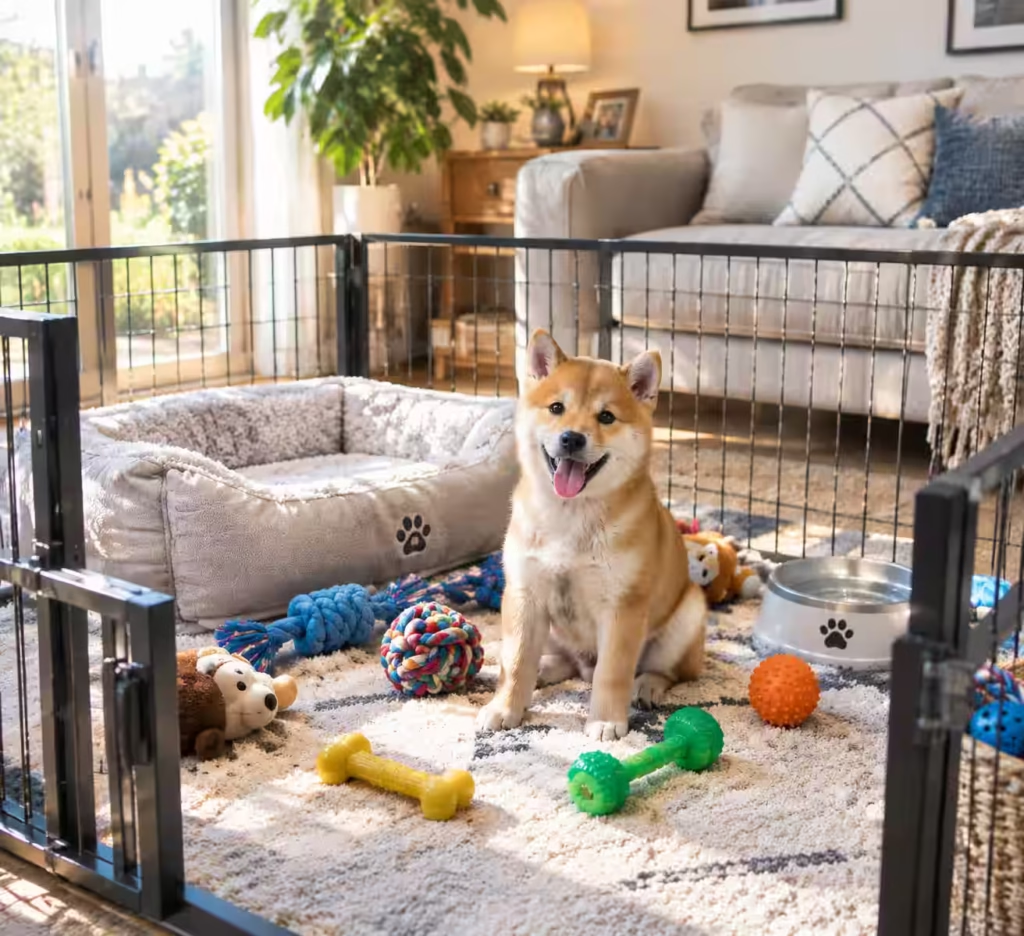
- Crate and Playpen Management: When you cannot actively supervise your puppy, utilize a secure playpen or crate to prevent destructive chewing habits from forming behind your back.
- Consult Expert Behaviorists: For structured behavioral milestones and developmental insights, you can review the official American Kennel Club puppy biting and social development guide for professional veterinary recommendations.
3. Fostering Long-Term Calmness and Growth
Addressing oral habits during puppyhood sets the foundation for a well-mannered adult dog.
- Burn Mental and Physical Energy: A tired puppy is a well-behaved puppy. Short, positive training sessions and structured sniffing walks drain excess energy that would otherwise turn into destructive chewing.
- Praise Calm Behavior: Always reward your puppy with treats and verbal praise when they choose to chew on their designated toys instead of household items.
- Embrace Every Life Stage: As your puppy grows into a confident adult and eventually enters their golden years, maintaining consistent routines—much like applying essential senior dog care tips down the road—ensures their lifelong health and emotional balance.

Conclusion
Curing a puppy of excessive biting requires immense patience, consistency, and the right redirection tools. By mastering positive reinforcement, implementing clear boundaries, and offering safe alternatives, you can successfully stop puppy biting and chewing before bad habits become permanent. As you celebrate your puppy growing into a well-mannered companion, keep the memories of their playful puppy days close to your heart with a sentimental custom pet portrait necklace that honors your unbreakable bond.