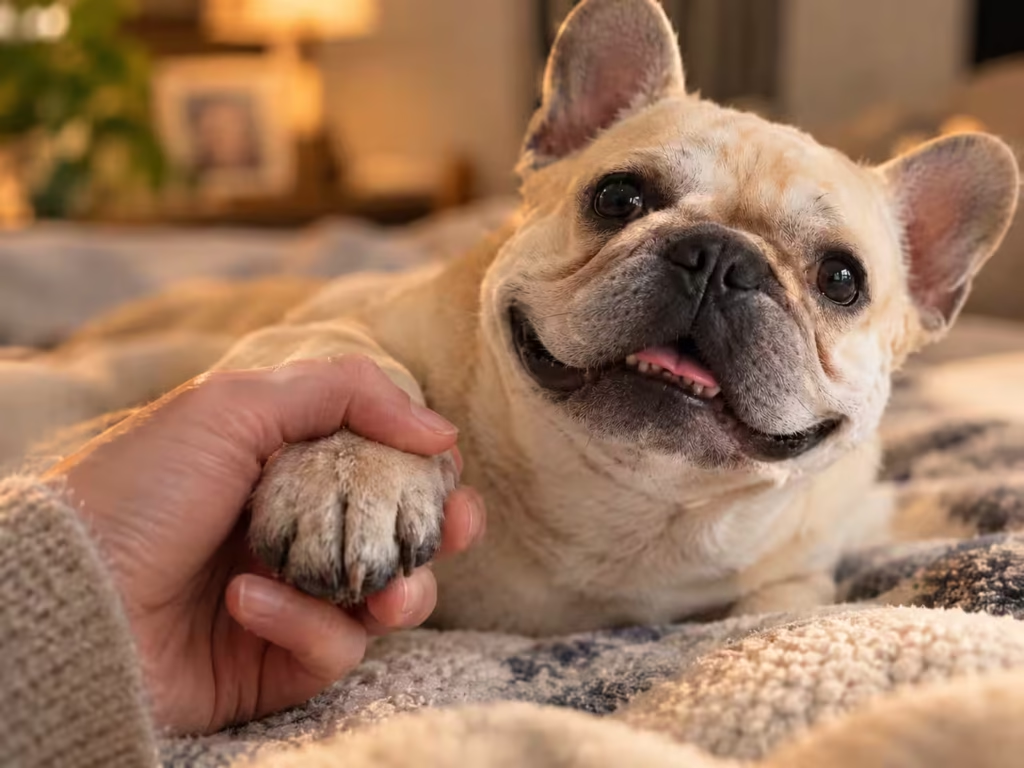
Watching your faithful companion grow grey around the muzzle is a bittersweet milestone. As dogs enter their senior years—typically around age seven or eight depending on breed size—their physical, dietary, and emotional needs undergo gradual changes. Navigating this stage requires patience, keen observation, and proactive lifestyle adjustments to keep your aging pup comfortable, happy, and vibrant.
Implementing effective senior dog care tips early helps mitigate common age-related issues such as joint stiffness, weight fluctuations, and cognitive decline, ensuring your furry friend enjoys their golden age to the fullest.
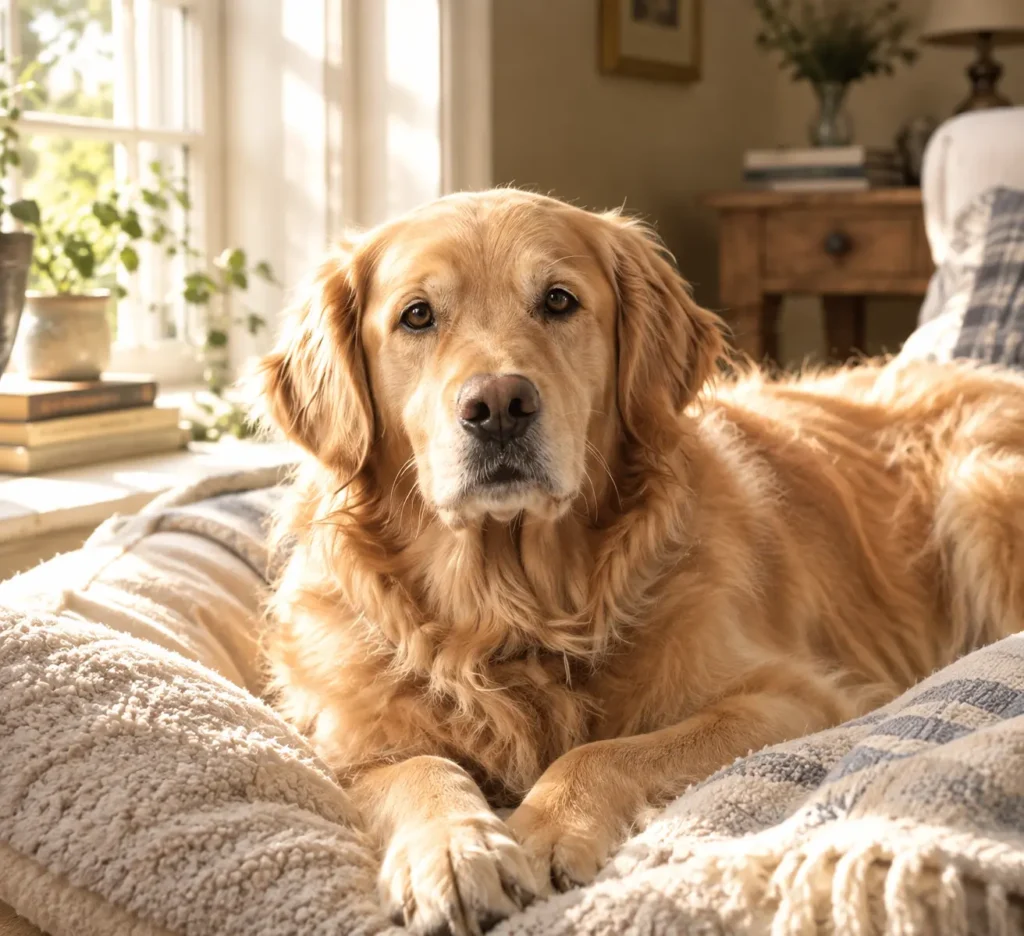
1. Tailor Nutrition for Aging Metabolisms
As dogs age, their metabolic rate slows down, making weight management a top priority. Excess weight places unnecessary strain on aging joints and organs, while unexpected weight loss can indicate underlying health conditions.
- Adjust Calorie Intake: Switch to high-quality senior dog food formulations that are lower in calories but rich in digestible protein to maintain muscle mass.
- Incorporate Joint Supplements: Add omega-3 fatty acids (like fish oil), glucosamine, and chondroitin to daily meals to support cartilage health and reduce inflammation.
- Keep Water Accessible: Senior pets are more prone to dehydration; ensure shallow water bowls are placed in multiple easily accessible locations around the home.
2. Protect Joint Health with Gentle Exercise
While your senior pup may no longer sprint for hours at the dog park, daily physical activity remains essential for preserving muscle tone and joint mobility.
- Switch to Shorter, Frequent Walks: Swap one long, strenuous daily hike for two or three brief, leisurely strolls on flat, soft surfaces like grass or dirt trails.
- Provide Orthopedic Support: Invest in a high-density memory foam orthopedic bed to cushion aching joints and prevent pressure sores during rest.
- Use Ramps and Runners: Place non-slip rugs over hardwood or tile floors to prevent slipping, and use padded pet ramps so your dog can safely access furniture or vehicles without jumping.
3. Keep Their Mind Sharp and Engaged
Canine cognitive dysfunction (CCD) affects many senior dogs, leading to disorientation, restless sleeping patterns, or anxiety. Keeping their brains active can slow cognitive aging:
- Interactive Puzzle Toys: Offer gentle scent games, lick mats, or soft food-dispensing puzzles that challenge their mind without causing physical frustration.
- Maintain Predictable Routines: Keep feeding, walking, and bedtime schedules consistent to reduce confusion and foster a comforting sense of security.
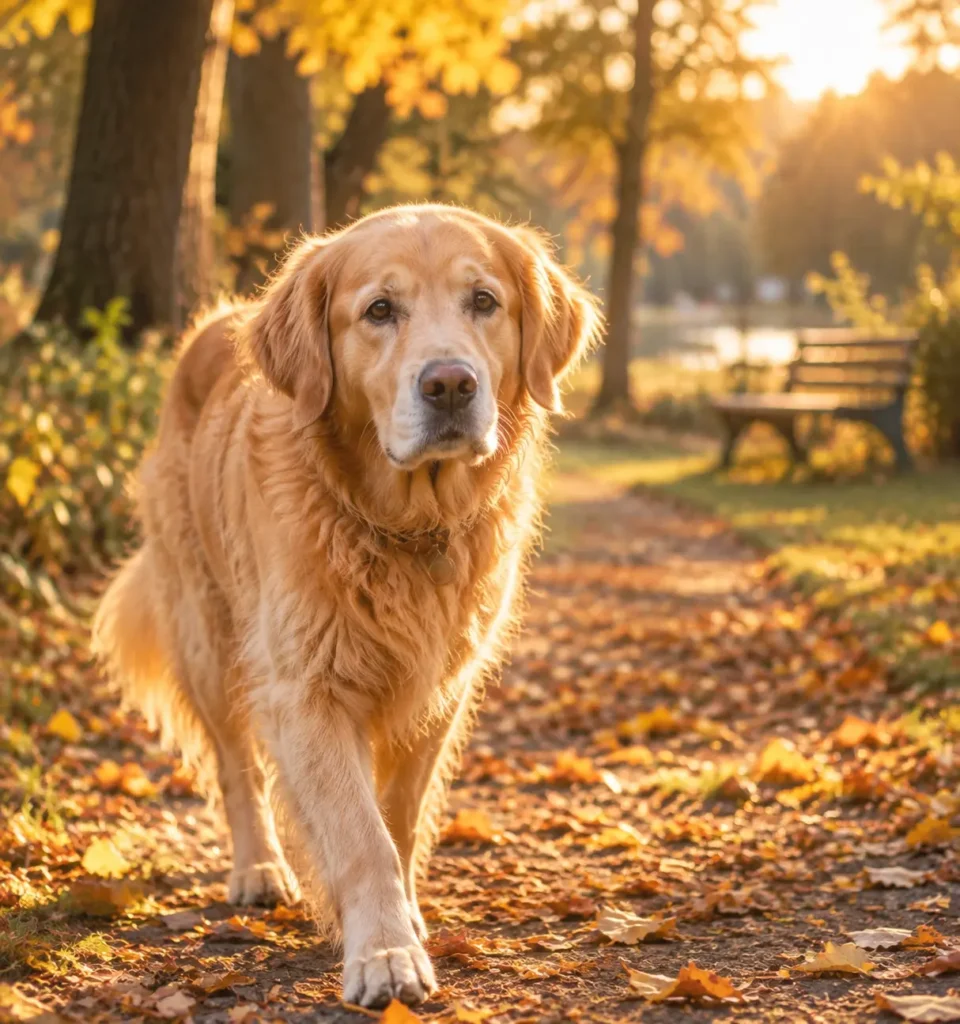
- Gentle Sniffari Walks: Allow your dog extra time during walks to linger and sniff environment smells, which provides vital sensory stimulation.
4. Cherish Emotional Bonds and Schedule Regular Checkups
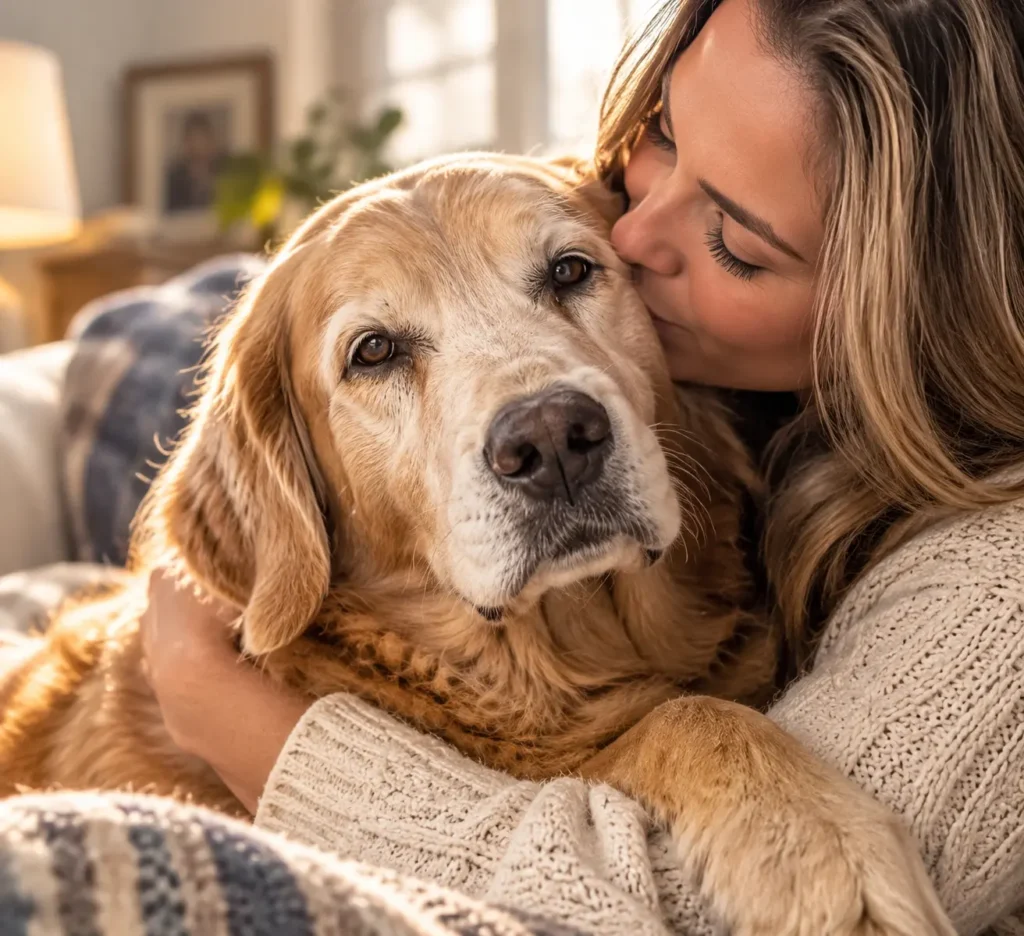
Your senior dog relies on your love and reassurance now more than ever. Taking time to preserve lasting memories through a tender pet paw print keepsake or wearing a personalized custom pet portrait necklace helps honor the special bond you share as they age.
Because health changes can progress rapidly in older animals, semi-annual veterinary visits are crucial. Routine bloodwork and physical exams adhering to established senior dog health guidelines allow your veterinarian to catch early signs of kidney, heart, or joint conditions before they turn severe.
Conclusion
Navigating your companion’s senior years requires thoughtful care and unconditional love, but it also yields some of the sweetest moments of your journey together. By adjusting their diet, protecting their joint health, and staying attuned to their emotional needs, you ensure your faithful friend enjoys a comfortable, dignified, and joyous golden age.